A DATE THAT CHANGED HISTORY: 10 YEARS OF SEPA PAYMENT TRANSACTIONS IN CROATIA

On Saturday, June 6, we mark ten years since the start of SEPA payment transactions in the Republic of Croatia. This moment represented a significant step forward in modernizing the payment system by establishing key infrastructure solutions.
“This anniversary holds special meaning for us at TIS GRUPA d.o.o., as over the past ten years we have had the opportunity not only to observe, but also to actively participate in one of the key transformations of the financial sector in Croatia. It has been a period in which standards, technologies, and user expectations have changed significantly, and such changes required reliable partners and a clear shared vision,” emphasized our Director, Dženan Lojo.
At that time, the National Clearing System (NKS), aligned with the SEPA scheme and operating in accordance with the HRK SCT scheme (SEPA-like), began operations. It enabled the clearing of payment transactions in kuna until the introduction of the euro. At the same time, EuroNKS was launched—a system for clearing payment transactions in euros that remains in operation today. Both systems brought a technological leap forward, enabling the processing of payment transactions in the new, standardized ISO 20022 XML format, in line with the rules of the HRK SCT SEPA scheme. This achieved one of the key goals of the national SEPA migration project.
The introduction of SEPA (Single Euro Payments Area) in the Republic of Croatia represented one of the most significant changes in domestic payment operations since the introduction of IBAN. In this process, Fina played a key operational and infrastructural role, leading the adaptation of national payment systems to new European standards and being one of the main participants in the national SEPA project.
Fina’s particular contribution was the development and adaptation of key infrastructure for clearing payment transactions, enabling Croatia to gain a unified technological platform for processing both national and cross-border SEPA payments.
This transformation enabled Croatian banks, companies, and citizens to use unified European payment standards and represented an important step in preparing the Croatian financial system for the later introduction of the euro as the official currency.
“In every business, it is important to have a partner you can always rely on, which is especially true for large and significant projects such as the establishment of payment systems whose operation must be secure and stable. In cooperation with TIS, we built a new National Clearing System (NKS) compliant with the European payment scheme, as well as EuroNKS for clearing euro transactions. TIS also provides us with reliable, expert support for our day-to-day operations, allowing us to focus on future plans with confidence. We believe our cooperation will continue for many years to come,” said Gordana Soldo, Advisor to the Management Board of Fina.
“The combination of our technological expertise and experience gained from SEPA implementation projects in the region, together with Fina’s strategic role as system owner and operator, proved crucial for success. Together, we laid the foundations of a system that today enables secure and efficient domestic and cross-border payment traffic,” concluded Dženan.
The Wheel of Digital Change
The goal of the SEPA initiative was—and remains—to establish a unified payment system in which consumers, businesses, and public authorities can make and receive payments in euros under the same basic conditions, rights, and obligations, regardless of their location.
However, SEPA has never been just a regulatory obligation. It represents a key driver that enabled the full digital transformation of payment operations in the country, bringing the Croatian market closer to high European standards of speed, security, and efficiency.
Today, SEPA includes 41 countries—five more than when Croatia joined the system: all European Union member states, as well as the United Kingdom, Iceland, Liechtenstein, Norway, Switzerland, Monaco, San Marino, Andorra, the Vatican, Montenegro, Albania, North Macedonia, Moldova, and Serbia.
For this reason, we continue to focus on innovation, reliability, and long-term partnerships. “We are ready for the challenges brought by further digitalization, the development of fintech solutions, and new generations of services that will further transform the way we manage finances,” announced Vjekoslav Martinčić.

SEPA CREATOR: Approved by 3 of the 5 biggest banks in Croatia
Your feed has been full of our AI products lately (we'll allow ourselves to say deservedly), but our core business is still related to the financial industry.
TIS TIDE: A New Chapter Powered by Non-Refundable IRI S3 Funding
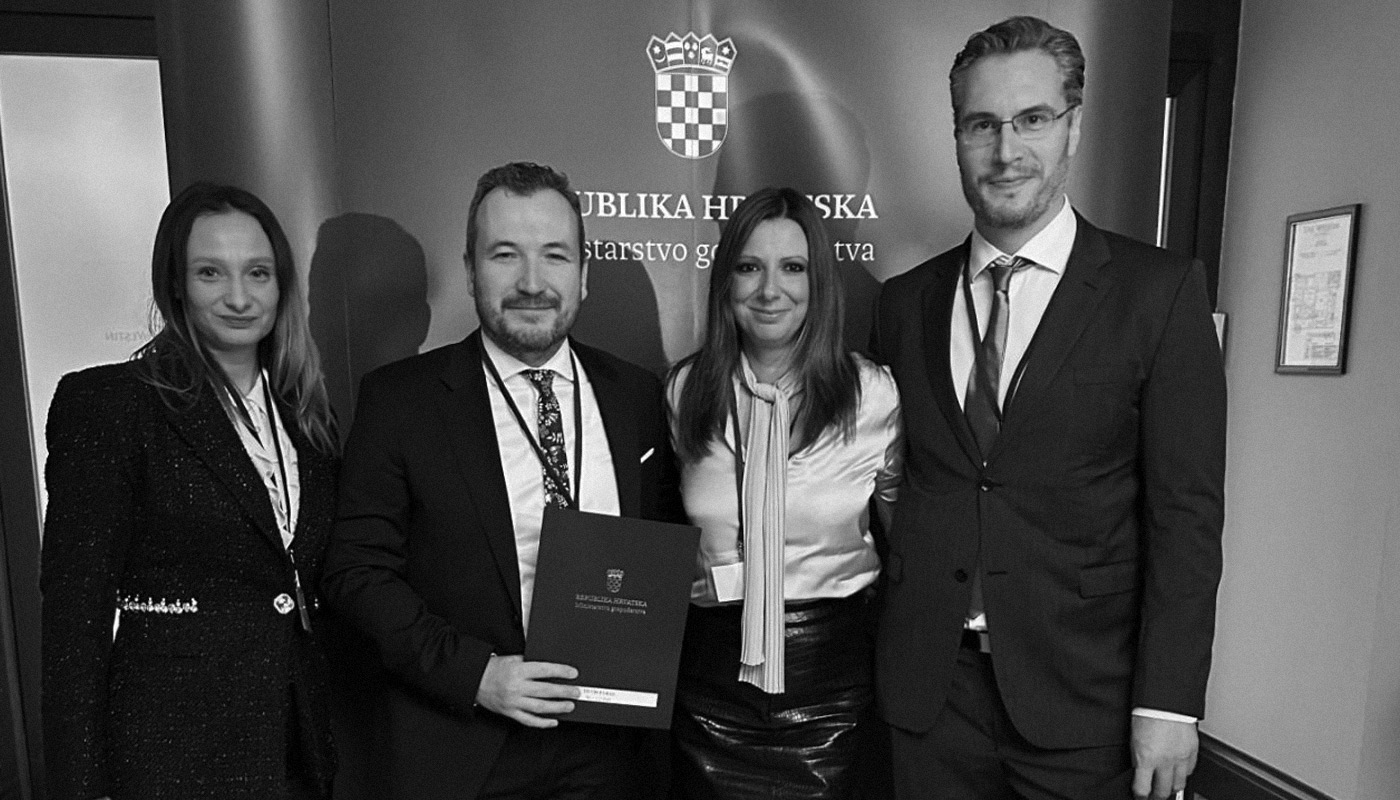
Anyone who has ever applied for IRI S3 calls knows how long it takes for how many people in radio silence, while administrative storms rage beneath the surface. That’s exactly why it’s so rewarding to finally see the results and find your own project among those awarded seven-figure, non-refundable grants. As of last Friday, officially, TIS TIDE is one of them.
Vineyard Angel first-hand: What do Iločki podrumi think about the platform?
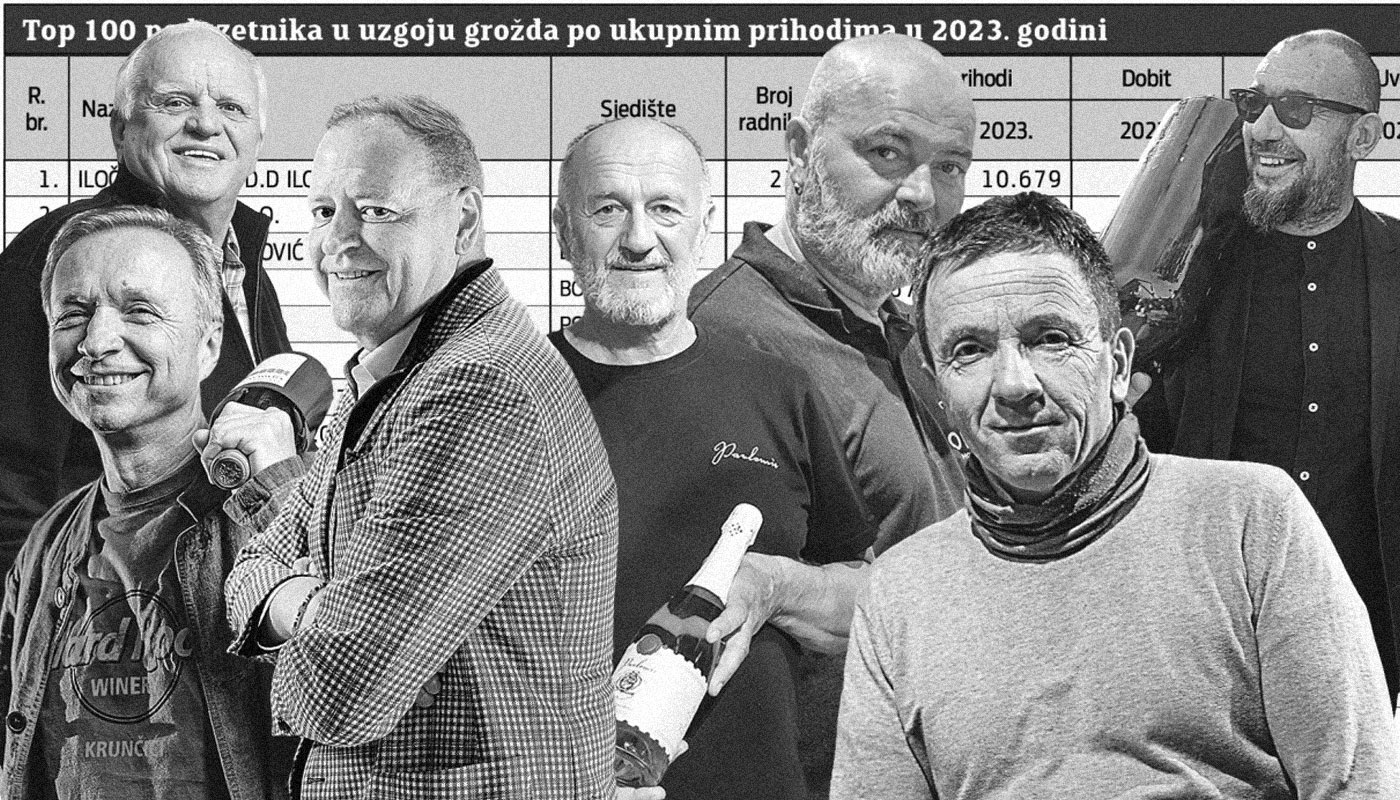
Iločki podrumi d.d., jedna od naših najvećih i najuspješnijih vinarija, među prvima na svijetu prepoznala je golemi potencijal umjetne inteligencije u vinogradarstvu. Posebno smo ponosni što je proizvod koji koriste Vineyard Angel, AI platforma koju smo razvili u suradnji s tvrtkom Alti Agro.