Remote Onboarding: Why a Hybrid ID Approach Wins
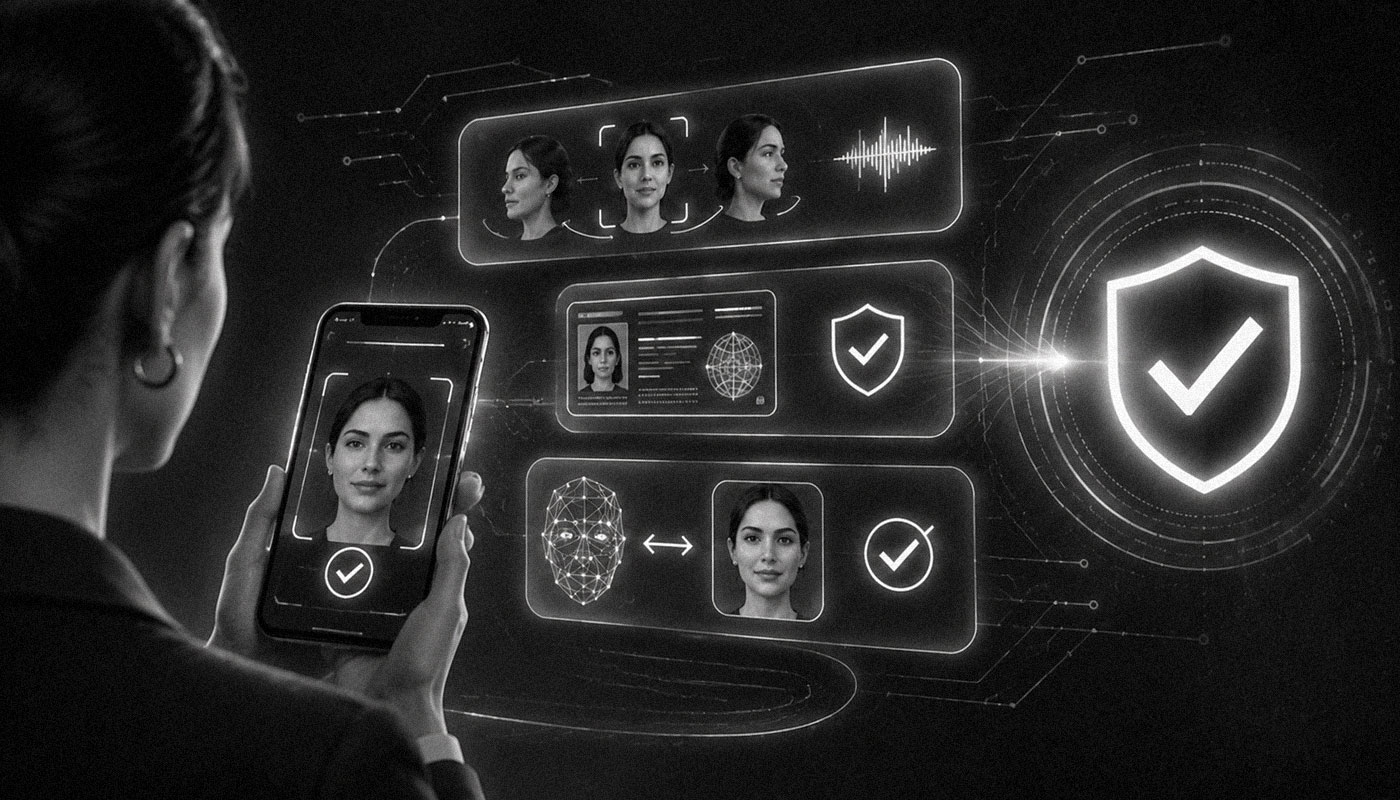
Remote Onboarding: Why a Hybrid Approach Is the Only Sustainable Choice
Digital business in the European Union is at a turning point. The EU is redefining its legal framework, and remote onboarding has become a key link in digital transformation. Relying on a single identity verification method is no longer enough; the future requires a hybrid approach.
Several methods of digital identity verification and customer onboarding are already in active use, and the near future will bring new ones and redefine the criteria for existing ones.
Five Identity Verification Methods Shaping Remote Onboarding Today
LiveID: The Most Secure, but the Slowest
Video identification with a live operator remains the most secure way to verify a customer, because it combines human judgement with direct communication.
SelfID: Speed Under Closer Scrutiny
Automated remote identification offers speed, a simple process and 24/7 availability, which makes it the most practical option for fast customer verification today. But automation and speed also carry a higher risk of abuse. According to Gartner, by the end of 2026 as many as 30% of enterprises will no longer consider face biometric verification reliable on its own, because deepfake attacks are becoming more sophisticated. SelfID will therefore change this year, with additional security checks layered on top of biometrics.
WalletID: The EUDI Wallet Is Almost Here
Identification through the single European mechanism, the EUDI Wallet (European Digital Identity Wallet), is arriving soon. EU Member States must offer it to citizens by 24 December 2026, so the first customers who want to verify their identity this way can be expected in early 2027. Are you ready?
NFCID: A Reliable Add-On, Not a Standalone Solution
NFC identity verification is an increasingly attractive remote method that focuses on confirming the authenticity of the ID document. On its own it is not comprehensive enough, but it is a very secure and reliable complement to a core method such as LiveID or SelfID.
KYCID and KYBID: Risk Assessment Behind Identification
KYCID (Know Your Customer) is an increasingly necessary identity check. It draws on global, European or local data sources to screen sanctions lists and PEP status and to assess the risk of an individual. KYBID (Know Your Business) extends this approach to the risk assessment of legal entities. Both are important additions to core identification methods when assessing risk before establishing a business relationship with a new customer, whether an individual or a company.
The Biggest Challenge: There Is No Single Universal Method
The biggest challenge in implementing these identity verification methods is that we are far from a time when one universal, secure method will exist. Over the next 5 to 10 years, all of the methods above will be in circulation. The strategic goal of digital business is to accept as many remote identification options as possible at the same time.
That brings more complicated integrations, adjustments between different systems and constant monitoring of regulatory and technological changes in each of them.
Managing Multiple Identification Methods Does Not Have to Be Complex
Managing a large number of identity verification methods does not have to be complex if they are brought together on a single platform that connects them all and keeps them up to date with regulatory changes, instead of tracking each method and system separately.
Contact us and we will gladly share our experience and the possibilities of the technology we work with. [Contact our experts]
Autor: Sara Sever

Digital Onboarding for Equipment Leasing: Faster Approvals
What if your customer could sign a finance lease or operating lease agreement on their phone, in under 10 minutes?

The Role of Project Management in the Manhattan Project: Oppenheimer’s Leadership and Decision-Making
These days, it's impossible to avoid talking about Nolan's latest film, Oppenheimer.

What is Data Integration, its Advantages, and Why is it Important?
Data integration is the process of combining data from multiple sources into a unified system to enable easier analysis, access, and utilization. Timely, secure, and accurate data exchange is crucial for businesses and organizations to coordinate effectively, ensuring our economies function efficiently and at high speed.