2016 vs 2026: Where We Were, What We Dreamed Of, and What Stayed the Same
Nostalgia. If nothing else, a great marketing tool. This trend proves it—and clearly, we’ve fallen for it too. While we’d like to claim this is a serious analysis, the story started—much to the surprise of those still staring like a deer in headlights—with reheated tricks from beauty influencers. Back then, they were at the peak of milking their golden digital geese.
Et voilà. The algorithms went wild, and suddenly, the whole world is remembering where we were, what we were doing, and what we were dreaming about in 2016. One thing’s certain: not Trump.
In our small company, for example, we were dreading the consequences of Brexit. The referendum was just around the corner, and we happened to have a lot of work in the UK at the time. Fear of having to change power plugs tipped the scales, Britain gave Europe the boot, and yet—contrary to expectations—we still delivered solid results.
On the home front, we were bracing ourselves for the uncertainty of double elections.
Back then, we watched the price of a barrel of oil closely. Not out of curiosity, but because it was a litmus test of global health: would the economy accelerate or stall? Were stock markets rising? What was happening with GDP? And did it make sense to invest in new projects? Today, we don’t watch oil exchanges—we watch gas and electricity meters. Along with central bank interest rates, of course. Constants matter. Only the instruments of anxiety have become more sophisticated.
SEPA. Our most important constant, shaping our business trajectory for more than a decade. While China celebrated the Year of the Fire Monkey in 2016, for us it was a year of fire baptisms.
👉 After a period of intensive development and testing, in 2016, SEPA stopped being a theory in domestic payment systems and became a production reality.
👍 SEPA moved out of PowerPoint decks and into real payment traffic.
🖖 It was the year of Credit Transfer, with zero room for missteps given the fixed implementation deadlines.
👏 We helped set up the new payment infrastructure in Croatia—through HRK and EUR NKS—and ensured that SEPA didn’t remain a regulatory footnote in banks but became an operational daily routine.
Fun fact: 20 years ago, we launched our payment application in Slovenia; 10 years later, we continued the mission at home; and in 2025, we were implementing SEPA infrastructure in Montenegro. An even better fun fact: our banking industry partners have remained loyal, which is why we continue to support our clients with SEPA. Plus, Montenegro and the rest of the region will establish new partnerships this year.


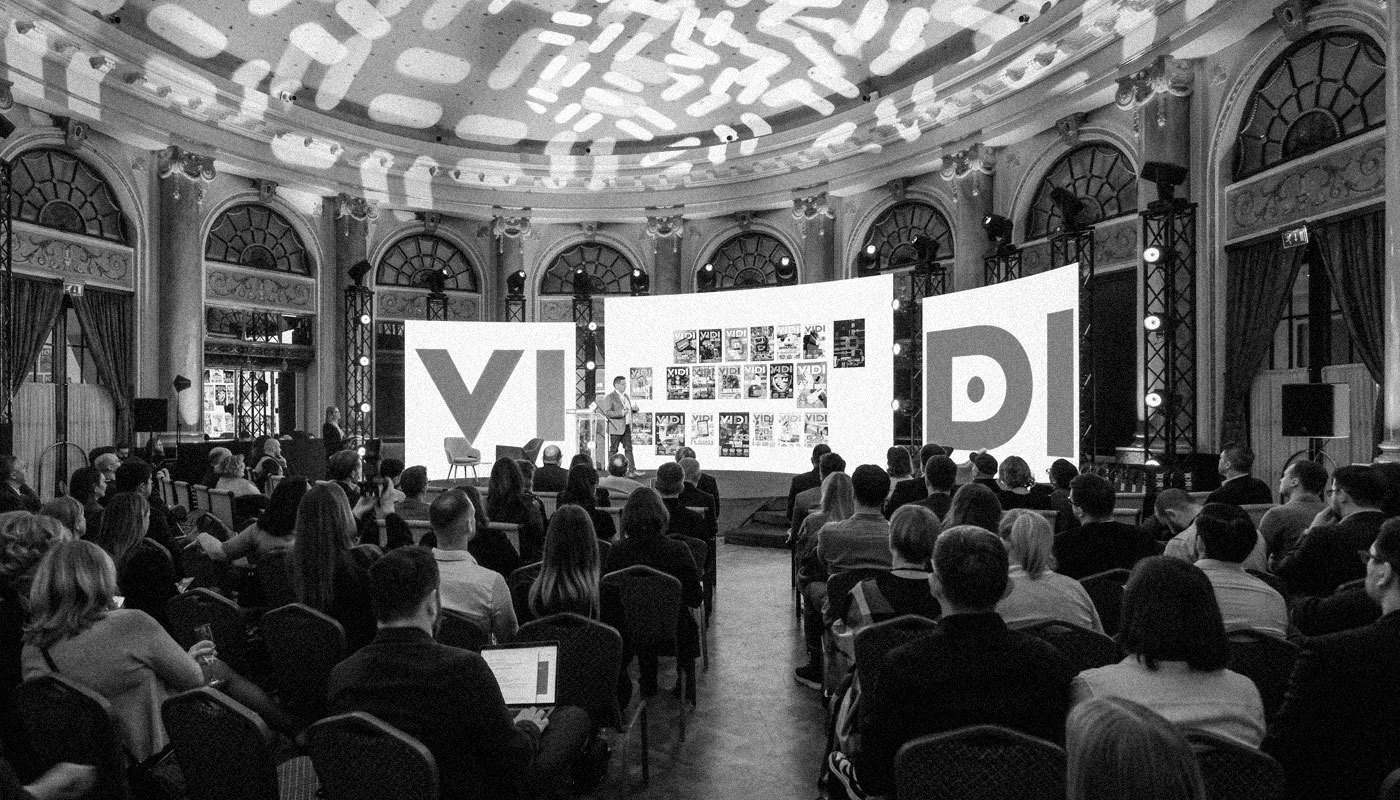
VIDI Awards 2024: SENDD officially named the most innovative in the country
Last night's event marked the culmination of the collaboration between TIS Grupa and Poliklinika Sabol. At this year’s VIDI AWARDS, SENDD was crowned the most innovative technological solution!
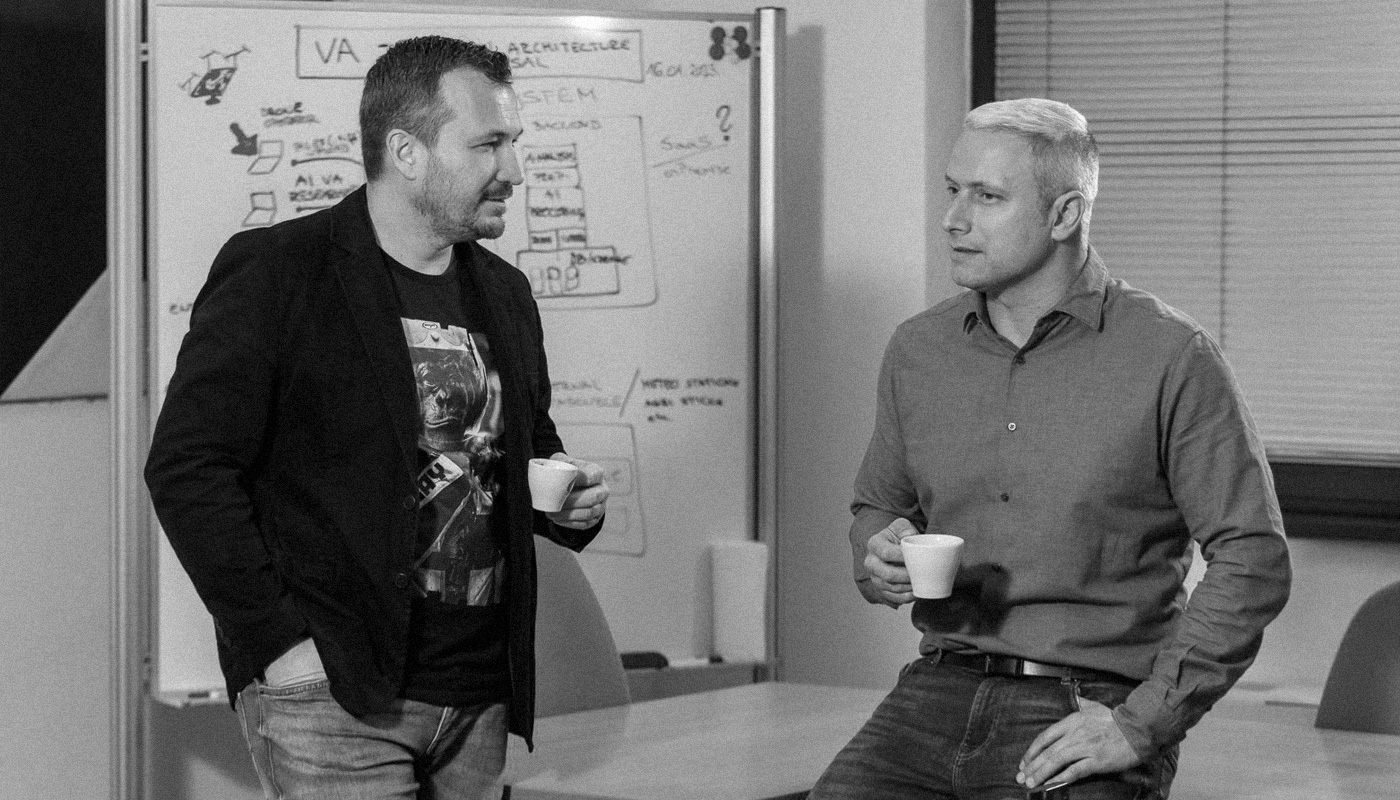
SEPA CREATOR: Approved by 3 of the 5 biggest banks in Croatia
Your feed has been full of our AI products lately (we'll allow ourselves to say deservedly), but our core business is still related to the financial industry.
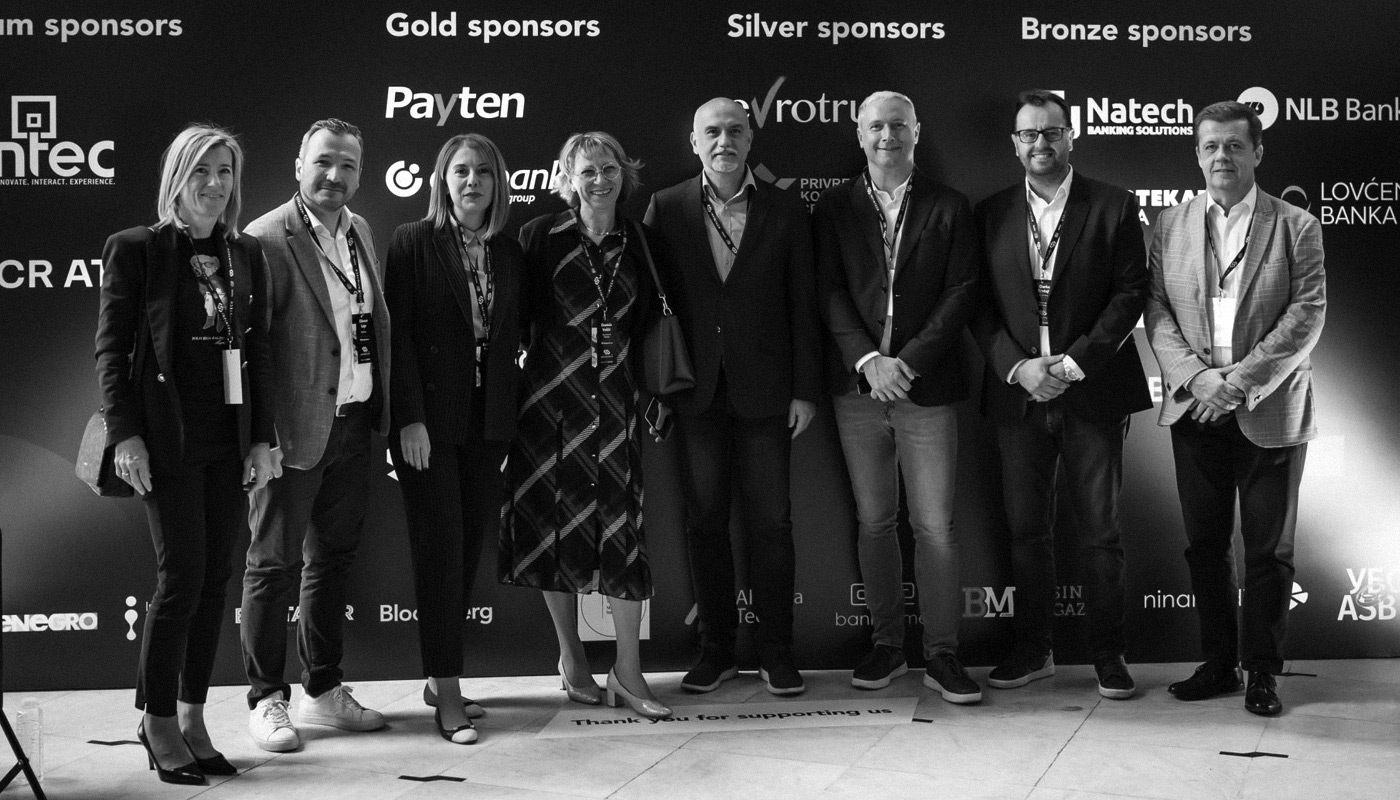
Back to the roots: October marked by SEPA
AI buzz may have taken over the algorithms, but from time to time, it’s necessary to reset the story to factory settings. Our biggest strength has always been—and remains—the financial industry, and the crown jewel of TIS’s regionally recognized expertise is SEPA. Montenegro is now entering the SEPA payments area through the front door.