Patient Onboarding in Healthcare: Less Admin, More Care
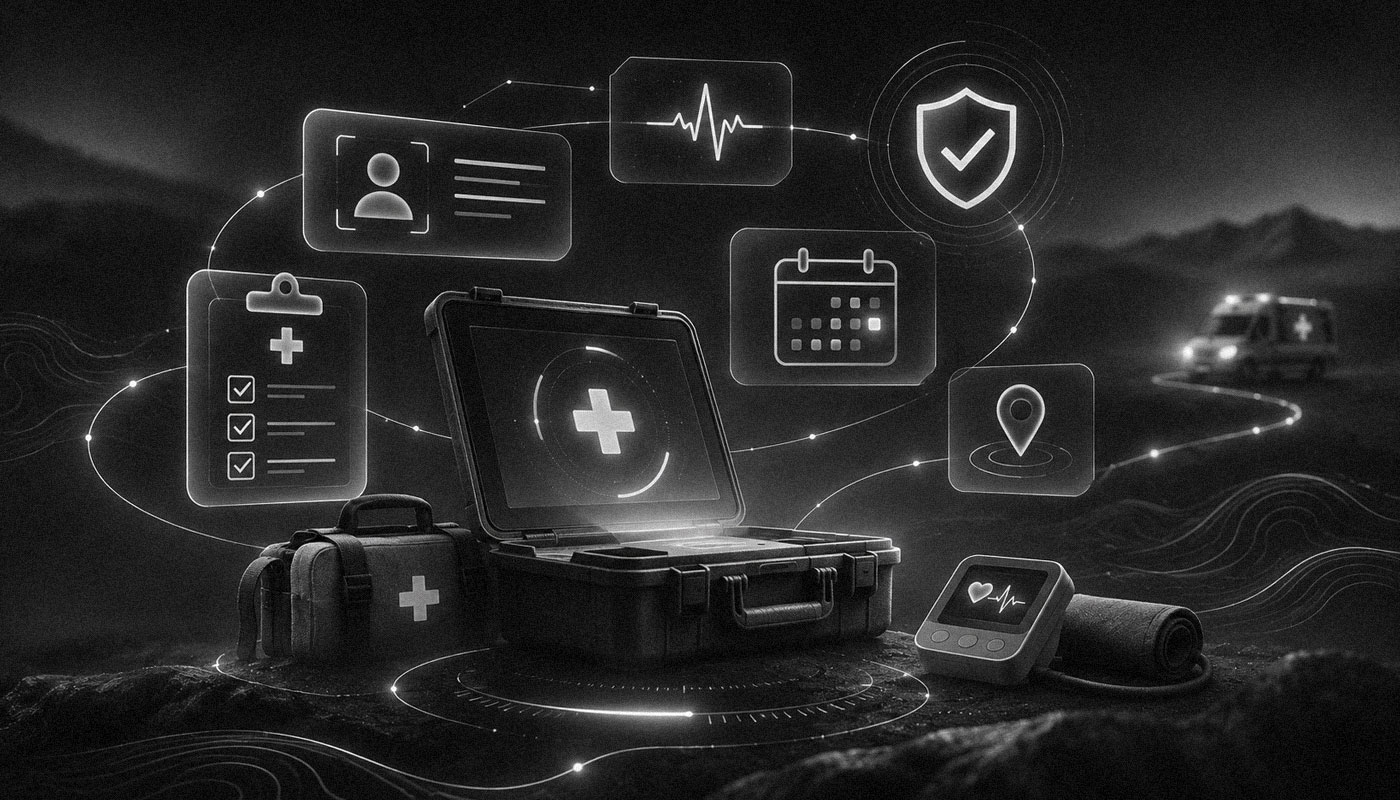
Patient Onboarding in Healthcare, Straight From the Field: How Technology Can Make Life Easier for Doctors and Patients
Did you know physicians spend between 16% and 24% of their working hours on administrative tasks instead of patients, while two-thirds of them believe this administrative burden negatively affects the quality of care they can provide?
In concrete numbers, the Canadian Medical Association estimates that physicians spend as much as 18.5 million hours a year on unnecessary administrative tasks. According to the same source, 75% of physicians say unnecessary admin work hurts their job satisfaction, and 60% say it directly harms their mental health.
Closer to home, a study of Croatian family medicine physicians confirms the same trend: 42.4% report high emotional exhaustion, 16% show signs of depersonalisation (emotional distance from patients), and 15.2% report a low sense of personal accomplishment.
A view from the field
“Technology offers enormous opportunities for the medical profession. A great deal of time is spent on processes that technology can speed up and make more efficient. AI, for example, can monitor patients and answer their questions, preventing unnecessary hospital visits, or during an appointment it can free up more time for the doctor to spend with the patient when it really matters,” says Dr. Goran Krakar, a paediatric neurologist at the Sabol Polyclinic for Children’s Diseases.
The Sabol Polyclinic for Children’s Diseases provides healthcare services across 14 paediatric specialties, and among its 26 staff and associates is a top team specialising in paediatric neurology. Its track record as an early adopter of technology in practice is confirmed by the
SENDD (System for Early Neurological Deviation Detection) research project, developed in partnership with us. It is a system that uses AI, based on video recordings of an infant’s movements, to help with early detection of potential neurodevelopmental deviations.
“Technology that is available to everyone, a smartphone in our case, makes things much easier for parents, since they no longer need to come into the clinic and can carry out the process just as reliably at home. For people coming from islands or smaller towns, travelling in for appointments is even harder. Parents would otherwise lose hours or days, and it’s hard to catch a child in ideal conditions during a clinic visit anyway. Thanks to SENDD, this process has become even more painless, simpler and less invasive than it has ever been,” he adds.
How to make life easier for both doctors and patients
Digital patient onboarding is the next step in the digital transformation of healthcare. Physicians carrying the heaviest administrative load spend as much as 15 minutes per patient on documentation alone, while also working outside normal hours more often and closing cases in the system more slowly. And it isn’t only physicians who suffer, the process creates unnecessary pressure on both sides.
Digital transformation is no longer a luxury or “a question for the future”, it is a necessary standard. Its goal is simple: give patients back their time and sense of security, and free up more time for physicians to do what they’re there for, precise diagnostics and attention to the patient.
It’s time for healthcare to become more efficient, for patients and healthcare staff alike. Below are four advanced technology solutions that are changing and modernising healthcare institutions, from faster patient registration and telemedicine to the European digital wallet, along with real-world examples and the concrete benefits they bring.
SelfID: self-service, fast patient registration
SelfID lets patients skip the administrative queue at healthcare institutions. They simply enter basic details and photograph their ID document via smartphone or a website. If a patient is booking an appointment at a polyclinic for the first time, for example, the app asks for a photo of their ID and a quick selfie, after which the system pulls the data itself and creates their record.
Key benefits: patients no longer need to arrive early just for admin and registration, and staff save time because recording a patient in the system speeds up significantly, which also reduces the chance of errors.
LiveID: video identification of the patient
LiveID is an identification method carried out via a real-time video call with a healthcare worker or authorised agent. It suits more complex medical services, opening a patient’s first electronic health record, authorising access to medical history, or issuing prescriptions for specific therapies, where direct patient confirmation is needed.
Key benefits: the highest level of medical data security and full protection of patient privacy, plus no need for an in-person visit to the healthcare facility.
KYC/KYB: the foundation of trust in the digital system
KYC (Know Your Customer) and KYB (Know Your Business) processes form the digital defence wall of every modern healthcare institution.
KYC is used for precise patient identification, to ensure data security, prevent medical identity theft, and make sure only authorised people can access a patient’s medical history.
KYB, on the other hand, is an evolution of security checks focused on corporate transparency. The process goes beyond simply checking a company’s name, putting the focus on an “X-ray” of the business entity itself.
Why does KYB matter in healthcare? In healthcare, KYB goes beyond plain administration, it’s the foundation for building a secure, verified ecosystem. KYB lets clinics confirm, in real time, the credibility of partners, from laboratories to equipment suppliers. That ensures only certified medical products and verified medicines enter the system, directly raising the standard of patient protection.
EUDI Wallet: the revolution that’s coming
The European Commission states that one of the main goals of the European Digital Identity Wallet system is precisely “reducing administration and authentication costs” through an interoperable digital identity. Instead of paper referrals and printed test results, the EUDI Wallet lets patients instantly share their e-prescriptions, medical history or vaccination records with healthcare staff anywhere in the European Union, via an app.
Key benefits: faster administration, universal acceptance that ensures continuity of care in emergencies both at home and across the EU, and full control over one’s own data.
And security is precisely one of the biggest benefits the digital wallet will bring to patients. Healthcare is one of the most exposed industries when it comes to data security.
In one major security incident, more than 1.2 million connected medical devices and their associated health data were compromised. In another major data breach, the data of as many as 3.4 million patients was compromised, including personal and health information.
Digital transformation is setting the standard for safer, more efficient healthcare
Contact us to modernise your processes together, make life easier for healthcare staff, and raise the standard of care for every patient. [Contact our experts]
Author: Dubravko Šimag
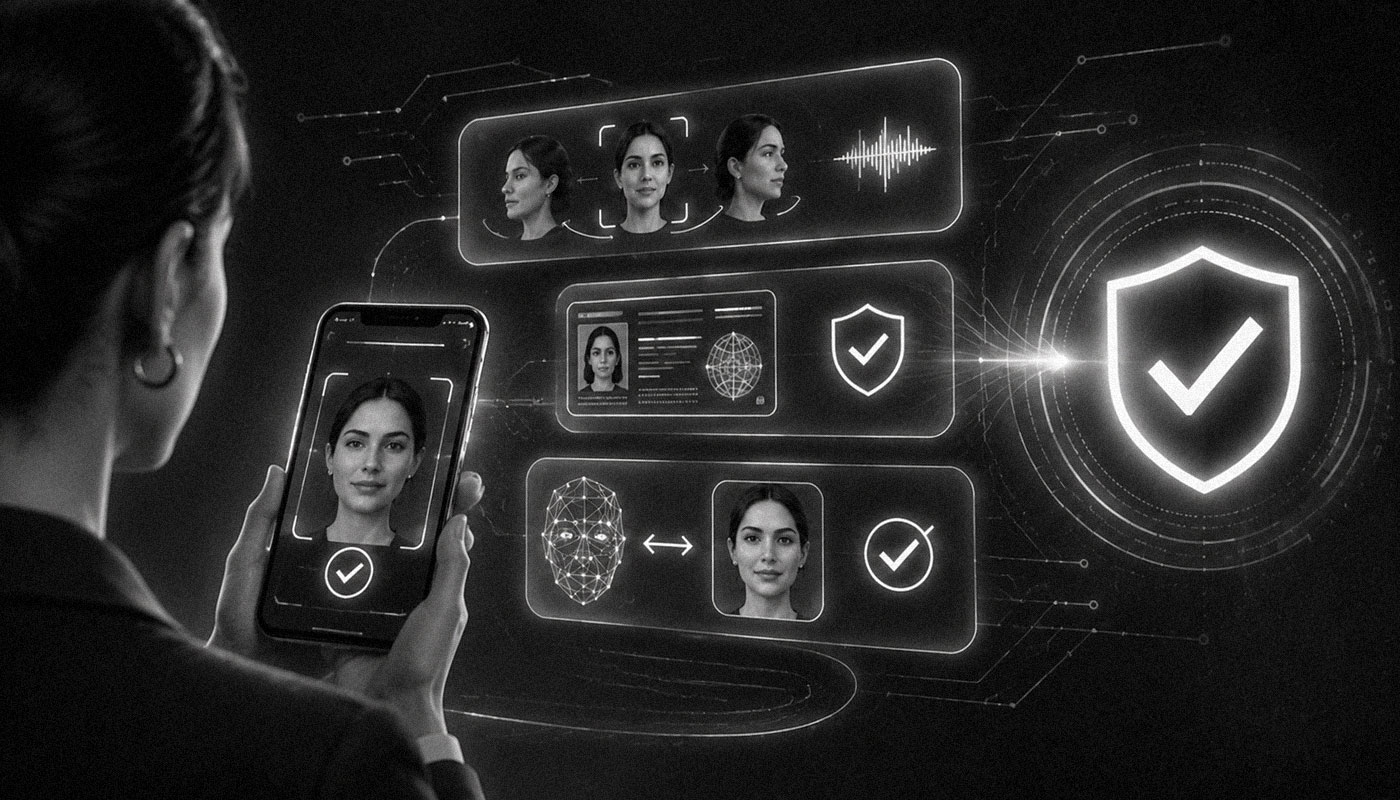
Remote Onboarding: Why a Hybrid ID Approach Wins
Digital business in the European Union is at a turning point. The EU is redefining its legal framework, and remote onboarding has become a key link in digital transformation.

What is Data Integration, its Advantages, and Why is it Important?
Data integration is the process of combining data from multiple sources into a unified system to enable easier analysis, access, and utilization. Timely, secure, and accurate data exchange is crucial for businesses and organizations to coordinate effectively, ensuring our economies function efficiently and at high speed.
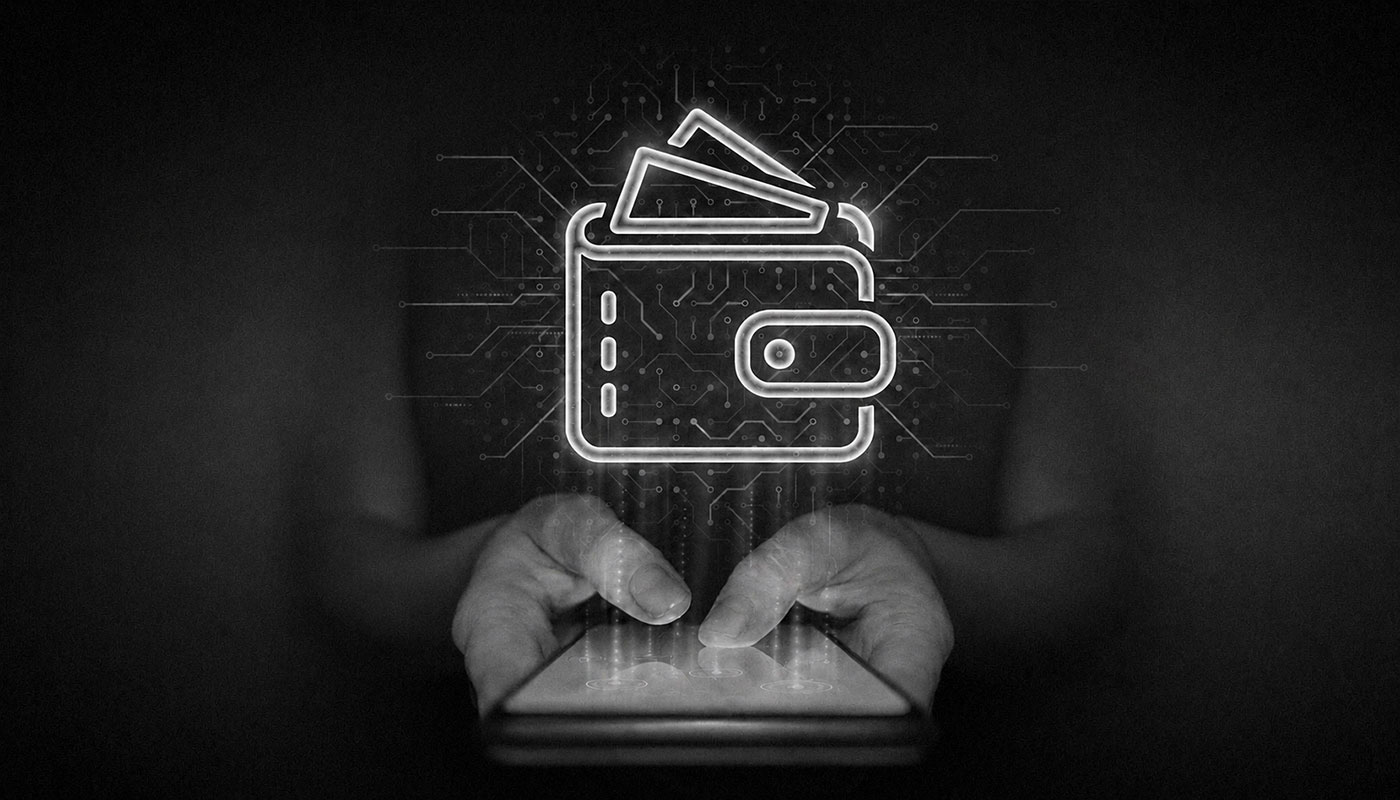
EUDI Wallet Explained: EU Digital Identity Wallet Guide
The EUDI Wallet (European Digital Identity Wallet) is a system that will represent you in the digital world and hold your official documents, from ID cards and driving licences to diplomas and certificates.